Many food companies still treat older consumers as a separate segment, with a “senior” range, a small team, and a modest budget. That framing is getting harder to defend. The needs behind healthy aging, such as muscle maintenance, digestive comfort, easy handling, and trusted quality, are showing up across the wider market, not just among the oldest shoppers.
From Demographic Segment to Innovation Lens
A “senior product” starts from a label. A longevity lens starts from a need.
A healthy 66-year-old who is still working and a frail 86-year-old living alone are very different shoppers. Yet both, along with many people two or three decades younger, care about staying strong, staying independent, and eating well with less effort. These needs cut across life stages, which makes healthy aging a question for the whole portfolio. It affects ingredients, formats, packaging, portion sizes, and how benefits are communicated, well beyond products with an age-based label.
Four Potential Value Pools
These are not forecasts. They are areas where signals from consumers, markets, and technology point to room for differentiated offers.
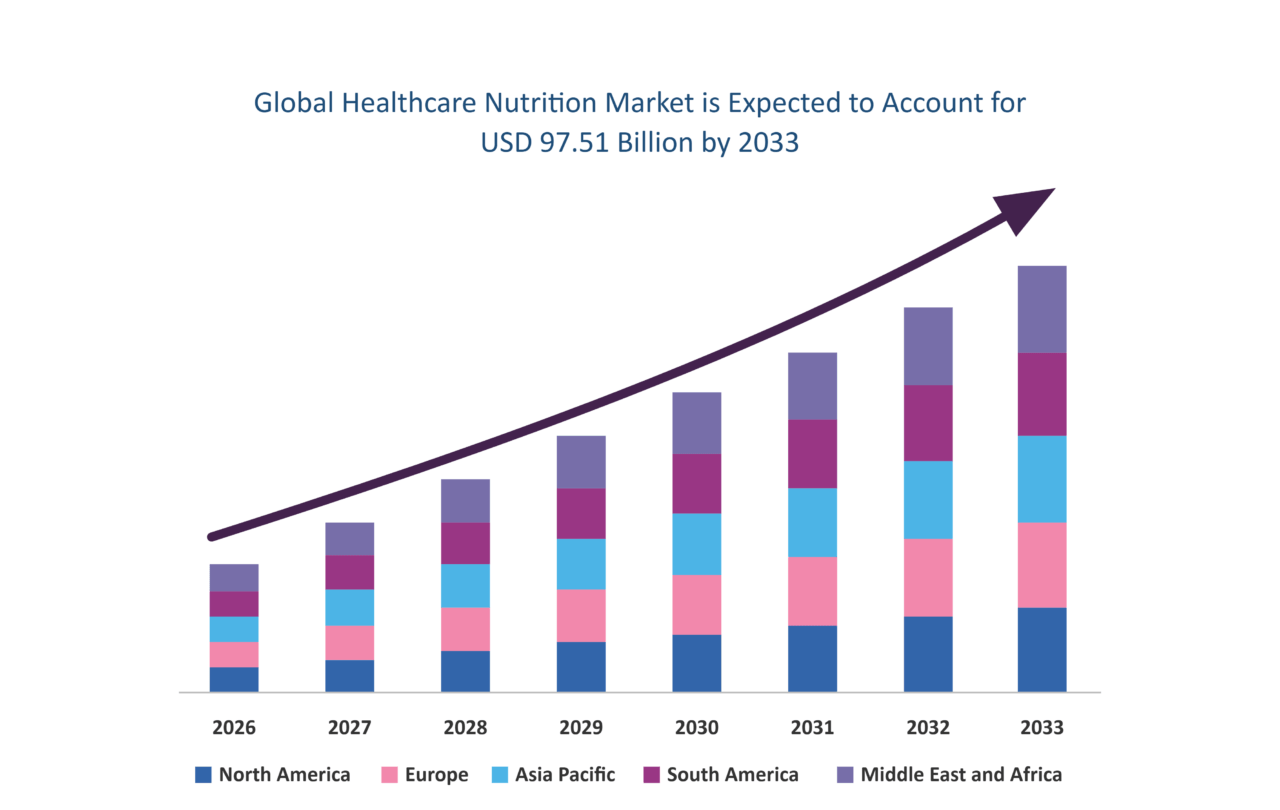
Preventive nutrition. Consumers are moving from treating problems to avoiding them. Protein for muscle maintenance, bone and joint support, and cognitive health all fit here. The shift favors foods and drinks that fit daily routines over supplements that sit apart from them. The global healthcare nutrition market is projected to reach $97.5B by 2033, growing at a 6.3% CAGR, with preventive healthcare awareness driving demand.
Functional formats. A benefit only counts if the product is easy to use. Texture, swallowability, taste, and format determine whether people eat a nutritious product. Formats that deliver targeted nutrition in an enjoyable, familiar way are a clear innovation space.
Convenience. With more single-person households, convenience means right-sized portions, ready-to-eat meals, and minimal preparation. For older consumers, it also means reduced physical effort. The design question is how to lower effort without lowering quality or dignity.
Premium trust. Older shoppers often hold strong views on provenance, ingredients, and credibility. They pay more for products they believe in, and they punish claims that feel stretched. Evidence-backed benefits, transparent sourcing, and clear communication build this trust.
None of these pools work alone. A protein-rich product in a pack that is hard to open or too large for one person defeats the need it was built for.
The Brief Needs to Go Beyond the Formula
Innovation briefs often stop at the recipe. For aging consumers, the barriers frequently sit elsewhere:
- Packaging: Can it be opened, held, and read easily?
- Preparation effort: How many steps stand between the shopper and a meal?
- Portion size: Does it suit a household of one or two?
- Access: Can the consumer find it, reach it on the shelf, or have it delivered?
A strong formulation that fails against any of these will underperform. Including them in the brief from day one is cheaper than fixing them after the launch.
What Evidence Do You Need Before You Invest?
Excitement about an opportunity is not validation. Before committing R&D or capital, teams should be able to answer:
- Which specific need state does this serve, and how large and fast-growing is it in our markets?
- Is the need unmet, or are credible products already serving it well?
- Will consumers pay for the benefit, and how much?
- Can we make and support the claim under local regulation?
- Does the format work in real use, not just in concept testing?
- Which channels reach this consumer, and do we have a position in them?
Weak answers to these questions are not reasons to stop. They show where to test first.
Learning from Markets Further Along
Answering these questions also means looking at markets where healthy-aging needs have shaped food innovation for years.
Japan is one such market, with 29.4% of its population aged 65 or older. Its food industry has spent years developing products around nutrition, convenience, accessibility, and trust. Examining these approaches can help teams identify ideas worth testing, and understand what would need to change for their own consumers and markets.
Download the whitepaper to explore how these innovation opportunities are taking shape in Japan and what they could mean for your portfolio.
Whitepaper
The Future of Food in Aging Economies Why Japan Is the World’s Experimental Lab