
Enterprise Knowledge Intelligence
Turn Enterprise Knowledge into Trusted Context for Every Decision and Workflow.
Evalueserve combines knowledge-management expertise, Data and AI, knowledge graphs, and managed execution to help organizations capture what they know, connect fragmented information, improve knowledge reuse, and give people and AI access to trusted enterprise context.
Our Point of View
Enterprise Knowledge Loses Value Every Time It Has to Be Rediscovered.
Critical knowledge is distributed across documents, repositories, emails, project files, systems, conversations, and the experience of employees.
As a result, teams repeat research, recreate content, rely on outdated information, and make decisions without the full context the organization already possesses.
Generative AI makes knowledge easier to access, but access alone is not enough. Without trusted content, clear permissions, domain-specific relationships, lifecycle management, and source-level traceability, AI can return information that is incomplete, outdated, or confidently wrong.
The opportunity is to transform scattered enterprise knowledge into a governed intelligence layer that improves human decisions and provides reliable context to AI-enabled workflows.

The Decisions We Improve
Focused Expertise Across the Decisions That Determine How Enterprise Knowledge is Captured, Trusted, and Used.
Knowledge Discovery & Access
Help employees find relevant, current, and permission-appropriate information across documents, systems, media, and enterprise repositories.
Knowledge Capture & Retention
Capture project experience, expert judgment, lessons learned, decisions, and other institutional knowledge before it is lost or remains limited to individual teams.
Content Quality & Governance
Define which assets are authoritative, how content should be classified, when it must be reviewed, and what should be archived, updated, sanitized, or removed.
Knowledge Reuse & Content Creation
Reuse approved knowledge to accelerate proposals, research, reports, client deliverables, analysis, onboarding, and recurring business communications.
Expertise & Relationship Discovery
Connect employees with relevant experts, prior teams, projects, capabilities, clients, and experience across the enterprise.
Knowledge for AI & Automation
Provide agents, copilots, and AI-enabled workflows with structured, governed, and domain-specific context they can use reliably.
The Connected Workflow
From Continuous Market Signals to Coordinated Strategic Action.
Identify Critical Knowledge
Determine which decisions, workflows, roles, and business outcomes depend on access to enterprise knowledge.
Key InputsCapture and Connect
Bring together approved documents, structured data, multimedia content, project experience, expert knowledge, and relevant external information.
Key InputsStructure the Knowledge
Classify content, map entities and relationships, enrich metadata, and create taxonomies, ontologies, and knowledge graphs.
Key InputsGovern and Validate
Apply permissions, quality standards, source validation, lifecycle rules, sanitization, and expert review.
Key InputsDiscover and Generate
Enable employees and AI systems to search, ask questions, summarize, compare, recommend, and generate new content from trusted knowledge.
Key InputsEmbed in the Workflow
Deliver knowledge through the systems and activities where employees already research, sell, advise, create, decide, and operate.
Key InputsLearn and Improve
Use employee behavior, feedback, content performance, and changing business needs to improve the knowledge environment continuously.
Key InputsClient Impact
Proven Results at Scale.
Evidence that connected knowledge improves productivity and business performance.
- Swipe to See More
Insights
A Deeper View of Enterprise Knowledge in the AI Era.
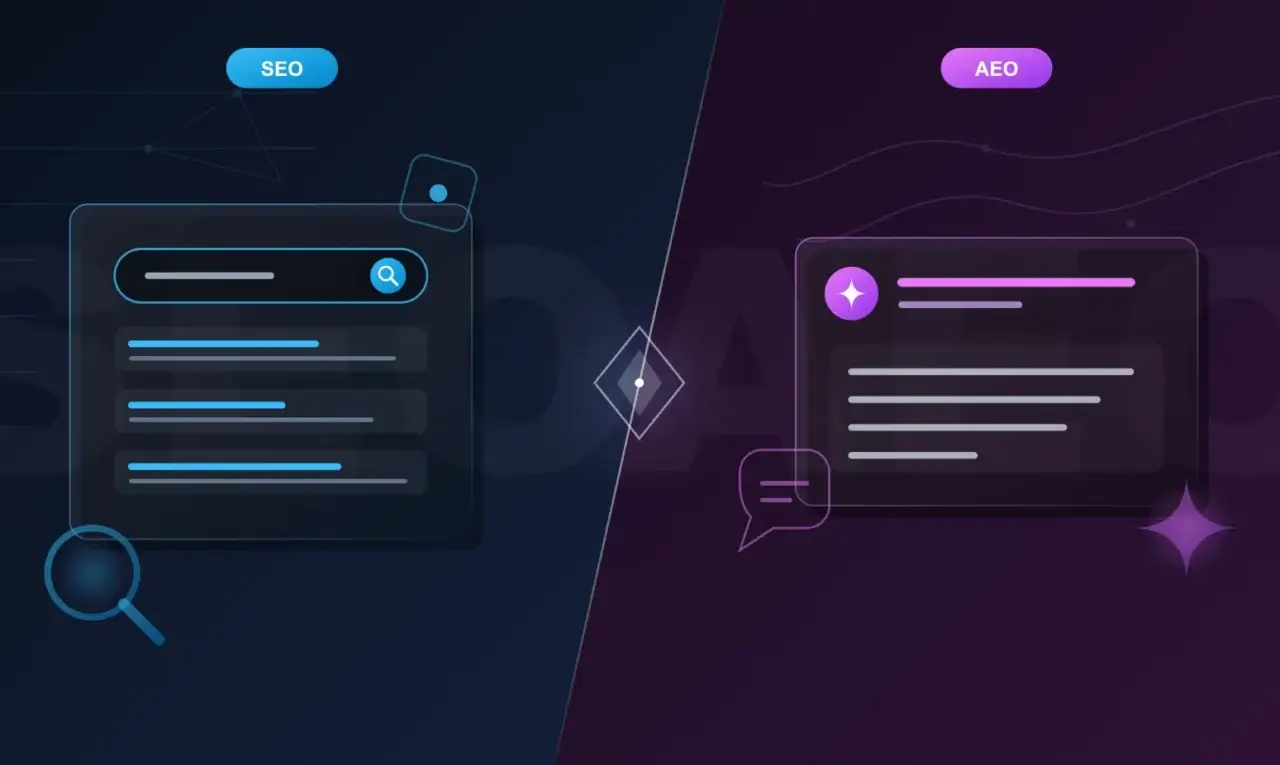
The New Search Visibility Playbook: From Rankings to AI Citations.
Traditional SEO is no longer enough. Discover how AI-powered search engines and AI-generated answers are changing online visibility, and what brands can do to remain discoverable and trusted.

Beyond Events: How the Quality-of-Life Program is Rewiring Urban Living in Saudi Arabia
Discover how Saudi Arabia’s Quality of Life Program is shifting urban growth beyond major events by encouraging everyday participation, livability, and sustainable value creation across cities.

Evalueserve Recognized in KMWorld’s AI 100 List for 2026
Evalueserve announced that it was featured in KMWorld’s AI 100 List for 2026, showcasing advances in knowledge management and AI applications.

EU AI Act Readiness Checklist
Uncover the key steps enterprises should take to prepare for EU AI Act transparency obligations, from AI inventories and disclosures to vendor oversight and governance.
- Swipe to See More
Enterprise Knowledge Expertise
Meet Our Domain Experts.
Meet the knowledge-management specialists, domain experts, information architects, data engineers, and AI practitioners who turn fragmented enterprise information into trusted, usable intelligence.



Frequently Asked Questions
Enterprise Knowledge Intelligence Capabilities.
Traditional knowledge management focuses on capturing, organizing, storing, and sharing enterprise information.
Enterprise Knowledge Intelligence extends that foundation by connecting knowledge with Data and AI, knowledge graphs, conversational access, workflow applications, expert judgment, and continuous managed operations.
The objective is not simply to maintain a repository. It is to make trusted enterprise knowledge available as usable context for employees, decisions, and AI-enabled workflows.
Enterprise search helps employees locate information across one or more repositories.
Enterprise Knowledge Intelligence also addresses whether the content is authoritative, current, permission-appropriate, connected to related knowledge, and suitable for use in a specific workflow.
It combines search with content governance, taxonomies, ontologies, knowledge graphs, expert discovery, recommendations, AI agents, content generation, and managed knowledge operations.
Search is one part of the solution rather than the complete solution.
Evalueserve uses Data and AI to classify content, enrich metadata, identify entities and relationships, detect duplication, summarize information, improve search, recommend relevant knowledge, and generate initial content.
AI agents can help capture knowledge, answer questions, compare sources, assemble approved content, identify gaps, and move knowledge-intensive workflows forward.
Knowledge-management and domain specialists define the authoritative sources, taxonomy, context, permissions, lifecycle rules, exceptions, and validation standards required to keep the output reliable.
Yes. Evalueserve can help capture knowledge held by experienced employees, project teams, client leaders, presales specialists, researchers, engineers, and other subject-matter experts.
Methods can include structured interviews, project debriefs, lessons-learned workflows, expert profiles, recorded conversations, guided templates, and AI-assisted extraction.
Knowledge specialists then structure, validate, tag, connect, and govern the captured information so it can be found and reused appropriately.
Yes. Evalueserve can combine approved internal knowledge with licensed research, market intelligence, regulatory information, public sources, and other relevant external content.
The knowledge environment can maintain clear distinctions between sources, permissions, ownership, recency, and authority.
This allows users and AI systems to draw on a broader evidence base without losing traceability or exposing restricted information.
Contact Us