
General
Impact of Covid-19: Chemicals Industry
The dampening impact of COVID-19 is expected to continue in Q2 2020. The most optimistic GDP turnaround estimate, to pre-Covid-19 levels, is 4–6 quarters.

The dampening impact of COVID-19 is expected to continue in Q2 2020. The most optimistic GDP turnaround estimate, to pre-Covid-19 levels, is 4–6 quarters.

Ripple effects of demand shock from COVID-19, felt across the value chain. Given the current state of outbreak it’s unlikely that the demand loss from COVID-19 would diminish before Q3 2020 and despite the optimistic recovery, 2020 oil demand will still face substantial decline.

Economic recession inevitable in 2020, but quick rebound expected in 2021. Global copper demand to decline 1.7%, USD/CLP increased 19.2% since social unrest.

Mining Industry: Impact of COVID-19 changed from moderate to high within March 2020. Companies are resorting to production slowdown, complete shutdown, demobilization of
workforce, and shuttering / isolation of operations.

Amid a global crisis of unprecedented scale, professional advice, expertise, and active support are more critical than ever for business leaders across the globe. The COVID-19 pandemic not only ends an uninterrupted bull run since the global financial crisis of 2007–08, but also stress-tests business models, global supply chains, and the war chests of companies globally.

Impacts on technology and telecommunications sectors vary somewhat by region. In North American there have been some setbacks. However the tech and telecom industries, and some of the larger individual players, in North America are highly diversified. As such, while some sentiments have been negative, others have been cautious but not alarmist (as not all subsectors are equally impacted).

Global economy is grappled with a severe demand shock, as more than 100 countries closed their borders in the past month. According to the UN Department of Economic and Social Affairs, Global economy could shrink by up to 1% in 2020 due to Covid-19.

In 2019, consumer spending accounted for almost 70% of US GDP and made up about 58% of China’s GDP growth. With both countries being at the epicenter of this staggered crisis, consumer spending is likely to stay low through 2020. Consumer behavior will undergo a dramatic shift and firms will need to adapt to the changing environment while ensuring stricter compliance of better health and safety conditions.
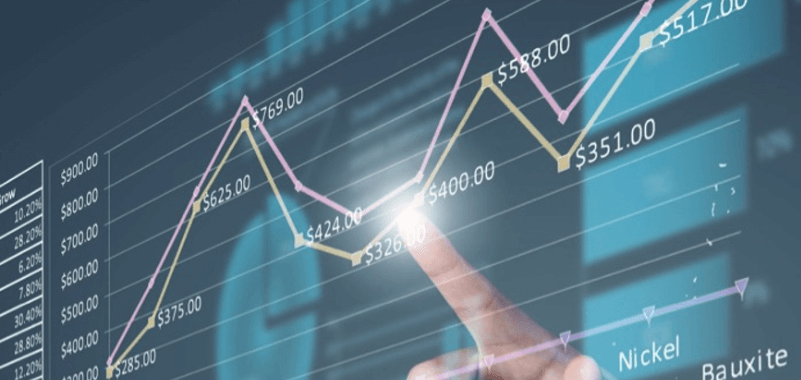
China is almost 4-10 weeks ahead of rest of the world when it comes to Covid-19 outbreak and its implications for the country’s economy. Not surprisingly, Covid-19 had a strong negative impact on China’s GDP during Q1 2020 with projected Q1 Real GDP growth expected to decline from pre-Covid-19 projection of 5.9% YoY growth to post Covid-19 projection of 0.2% YoY growth for Q1 2020. Projections are as of Mar 31, 2020.

Global auto sales were already struggling to keep pace even before the outbreak of Covid-19. China led the descent with its dramatic sales drop of more than 20% year on year during this month. Initially, the Asian auto industry was hit the hardest due to the coronavirus impact, where the Chinese industry witnessed a 79% decrease in the sales.

Globally, the pharmaceutical industry may experience logistics and demand disruptions, but less compared to other sectors. North America and EMEA plan to invest in API facilities to reduce reliance on APAC.

Global oil market was expected to balance in the second half of 2020, driven by production cuts from OPEC+, favorable demand growth, and stagnant non-OPEC supply growth. However, the Covid-19 outbreak lowered oil and oil products’ consumption of the largest consumer (China), and the Saudi Arabia-Russia disagreement will result in an extremely oversupplied market (at least in the short term).

Monetary policies and quantitative easing (QE) across the globe are aimed at promoting liquidity and stimulating credit, but the demand shock will require expansive and ongoing fiscal stimulus. Banks with credit exposure to vulnerable sectors like Energy, Hospitality and Leisure, Retail, Airlines, and Industrial products are likely to see loan-loss reserves increase as default rates tick up.

Banks and financial institutions are facing an uphill task of efficiently managing their ever-growing bundles of financial data in multiple and complex formats.

Evalueserve supported a leading mid-market-focused PE firm to manage the data and financials of its portfolio companies.

Evalueserve helped a PE client to manage and analyze its portfolio company’s unstructured data and profitability trends.

A month after April 2020, when oil futures traded negative for the first time in history, markets are still wary, although

Evalueserve estimates that the COVID-19 pandemic could wipe off 13–30 MMT of LNG demand in 2020. The pandemic has added further

A private equity firm that was handling increased deal flow needed to scan multiple opportunities, analyze significant amounts of target company data, and build and analyze standard financial models.

A private equity firm focused on the food & beverage industry wanted to understand the impact of the COVID-19 shutdown on its portfolio companies.

ESG & Sustainability Services From ESG integration to sustainability performance Charting progress with custom ESG data, analytics, research, insights & advisory.

The COVID-19 pandemic has emerged as a grave threat for both global health and the economy.

The feeling of restlessness, both mentally and physically, is something that people find themselves struggling with.

The journey of SFTR had initially started in Jan 2016 and is now planned to become partially in force from July 2020.

It was not long after we rang in the Lunar New Year in January this year, that our entire China team of 350 people were operating at a 100% work from home model.

A premium passenger and commercial automotive manufacturer was looking to stay ahead of the curve by pre-empting the disruptive trend of vehicle sharing and co-ownership.

It takes far more cost and effort to gain a new customer than it does to retain one. Read our 7-step process for identifying and retaining you most valuable customers.

What is the role of the shadow banking in China’s economy and how does it develop under the impact of crackdown and a raging trade war? Check out this blog article for more details.

The once revered LIBOR fell out of favor after banks manipulated it to boost profits. With the FCA deciding to phase it out completely by 2021, companies will need to change their systems within a short span of two years. Are you prepared?

What are the opportunities in Latin America for investors seeking non-traditional assets? Here is a strategy that yields the same returns as the market, while reducing risks for investors.

We helped a leading US investment bank to decompose the process of validation and to automate key processes for testing and documenting, delivering significant time savings and business benefits.

See why young investors looking to invest for a long term should consider dividend stocks.

Is it time for investors in LatAm to tread an investment path different from the one taken by traditional asset managers? Should they embrace the global trend of factor indices and take controlled risk with proven strategies?

Have a look at current trends in the world of robo-advice, and how leading and challenger brands are exploiting it.

Read how analytics can help maximize the potential of your human capital.

Dividend stocks are often associated with older investors looking for a regular yield, while young investors target short-term price movements. But does the relentless pursuit of price returns actually work?

Predictive sourcing holds out the promise of making procurement decisions using accurate predictions based on the analysis of big data.

Does one ‘digitalization’ strategy apply to all business functions alike? To find out how to make non-core digitalization a success, read our Insights article.

Saudi Arabia’s macro-economic indicators have put a big question mark on the sustainability of Saudi riyal (SAR) peg to the US dollar at 3.75. Devaluation appears to be the only potent weapon for the kingdom to rein in soaring fiscal deficit, without constraining economic growth.

We asked 260 procurement professionals, in 14 industries worldwide, about the problems and priorities they face. Our findings, summarized in this exclusive survey report, feature the four key trends shaping the procurement landscape today.

Cognitive technology is transforming the way firms do business. In this article we explore how forward-looking companies around the world are putting cognitive technology to work across a range of business functions.

Consumer behavior is changing fast, business environments are increasingly volatile, and more and more marketplaces are going digital. In this turbulent landscape, it’s no wonder that securing organic, profitable incremental growth is the single most important challenge facing corporations today.
The new legislative proposal is expected to have a global impact on the ecosystem of how buy-side consumes sell-side research. The changes will create fresh challenges for the industry, but they will also bring some attention-worthy opportunities.
The long-term impact of Brexit is not yet clear, although market sentiments seem largely negative. Companies need to choose between making a move right now or waiting for UK–EU negotiations to play out.
Brexit – a work in progress, with everything still to pay for. This industry insights examines the economic and commercial impacts of Brexit, including the key factors you should consider if your portfolio covers UK firms.

The asset management industry is already facing a number of challenges. How is the industry geared to meet technology-led disruption, including from FinTechs? Also, how are asset managers driving innovation across their value chain? Read to find out more.

Retaining promising junior bankers has become a high priority for investment banks. Automation has demonstrable advantages in terms of increased efficiency and reduced costs, but what about the potential for increased satisfaction?

While 2000–2009 saw disruption due to outsourcing and offshoring, years (2009–2015) following the global financial crisis, witnessed a stricter global regulatory environment.

The efficiency increases of mind+machine gains impact businesses on the scale of their operations. The time-to-market of solutions will drastically come down and so will the costs, and the potential reach will increase multi-fold thanks to such innovations.

Depending on the policies of the winning candidate, the results of the US presidential elections will affect various sectors and businesses. Read on for highlights of the bullish and bearish implications of these elections.

Over the last few years, sell-side research firms have been under tremendous pressure to produce higher volumes of research that offer even deeper, better, and newer insights but with limited resources.

Are you part of the global pharma conversation? Do you have the systems in place to join it? More and more pharmaceutical and healthcare companies are finding the need to actively engage with patients, physicians and key opinion leaders.

Assets under management by robo-advisors are on the rise and both startups and industry leaders are investing in this new technology. But what does that mean for human financial advisors?

Clairvolex helps companies in filing, managing and monetising patents, and competes with global players like Thomson Reuters, CPA Global, Evalueserve and Questel. Its clients include telecommunication and technology companies in the US and Europe.

After acquiring Treparel, Evalueserve now holds an office on the HSD Campus. HSD (the Hague Security Delta) Campus is the national innovation center for the security cluster, founded by the Hague and with the support of the European Union (ERDF / Opportunities for West).

Help your analysts strike the optimal balance between conducting research and other essential tasks such as expanding coverage and meeting clients. We’ll provide efficient research support so you can focus on your customers.